
(Photo: KCRA)
Washington, D.C., USA — May 20, 2026
A settlement reached between Donald Trump and the Internal Revenue Service has resulted in the creation of a $1.776 billion “Anti-Weaponization Fund,” a new federal compensation mechanism now drawing scrutiny from lawmakers, ethics experts, and legal analysts over its structure and potential political implications.
The agreement, finalized earlier this week, ended Trump’s $10 billion lawsuit against the IRS concerning alleged improper disclosure and handling of his tax-related records. As part of the settlement, federal authorities agreed to establish a compensation fund intended to review and pay claims from individuals who argue they were unfairly targeted by government action.
The fund will be administered through a Justice Department–linked review process, with claims evaluated by an appointed commission rather than through traditional congressional appropriations or existing agency compensation systems.
That structure has immediately raised concerns on Capitol Hill, where critics argue the arrangement creates a parallel compensation system operating outside standard budget oversight mechanisms.
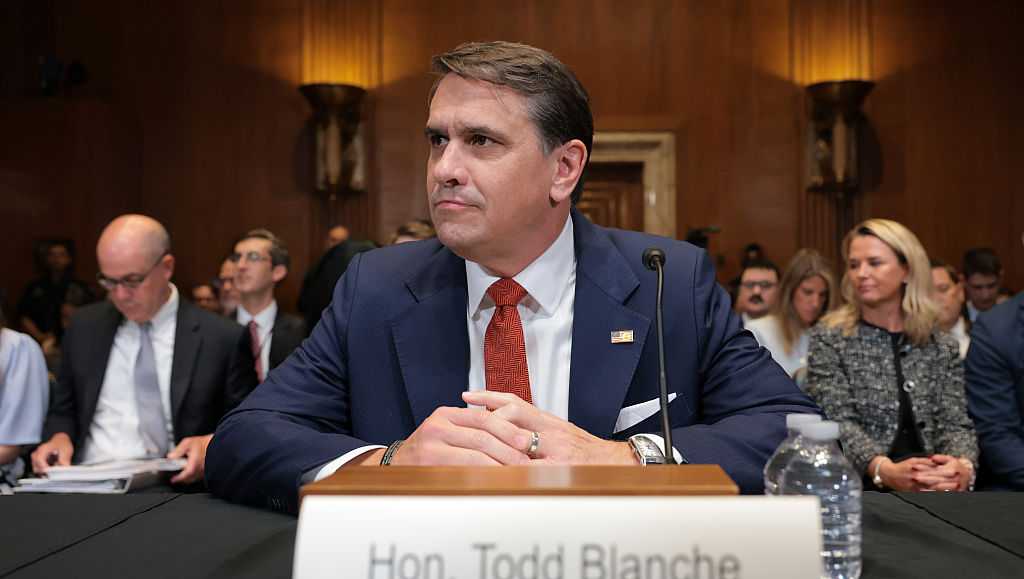
Attention has also focused on Acting Attorney General Todd Blanche, who previously served as Donald Trump’s personal criminal defense attorney and is now involved in defending and explaining the settlement framework during early stages of congressional review.
Blanche’s dual history — as both Trump’s former defense counsel and the current head of the Justice Department — has become a central point of controversy, with ethics experts questioning whether his role creates an unavoidable conflict of interest in overseeing a settlement directly tied to litigation initiated by the former president.
Supporters of the arrangement argue that Blanche is operating within established legal and procedural boundaries, and that recusal rules and internal safeguards exist to prevent improper influence in specific cases. They also maintain that the settlement resolves prolonged litigation in a way that compensates individuals affected by government misconduct claims.
Critics, however, argue that the fund’s structure blurs the line between legal remedy and political compensation, particularly given the broad eligibility criteria being discussed, which some lawmakers say could extend to politically aligned groups and controversial defendants.
The creation of the fund has already triggered calls for increased congressional oversight, with some legislators questioning whether an executive-branch administered compensation system of this scale can operate without direct appropriations authority.
As the political debate intensifies, the “Anti-Weaponization Fund” has quickly become a focal point in broader discussions about executive power, legal accountability, and the long-term implications of high-value federal settlements tied to politically sensitive litigation.