(Photo: On Far Right – Facebook/ Jen Kimlinger Photography)
Austin, MN — October 18, 2025
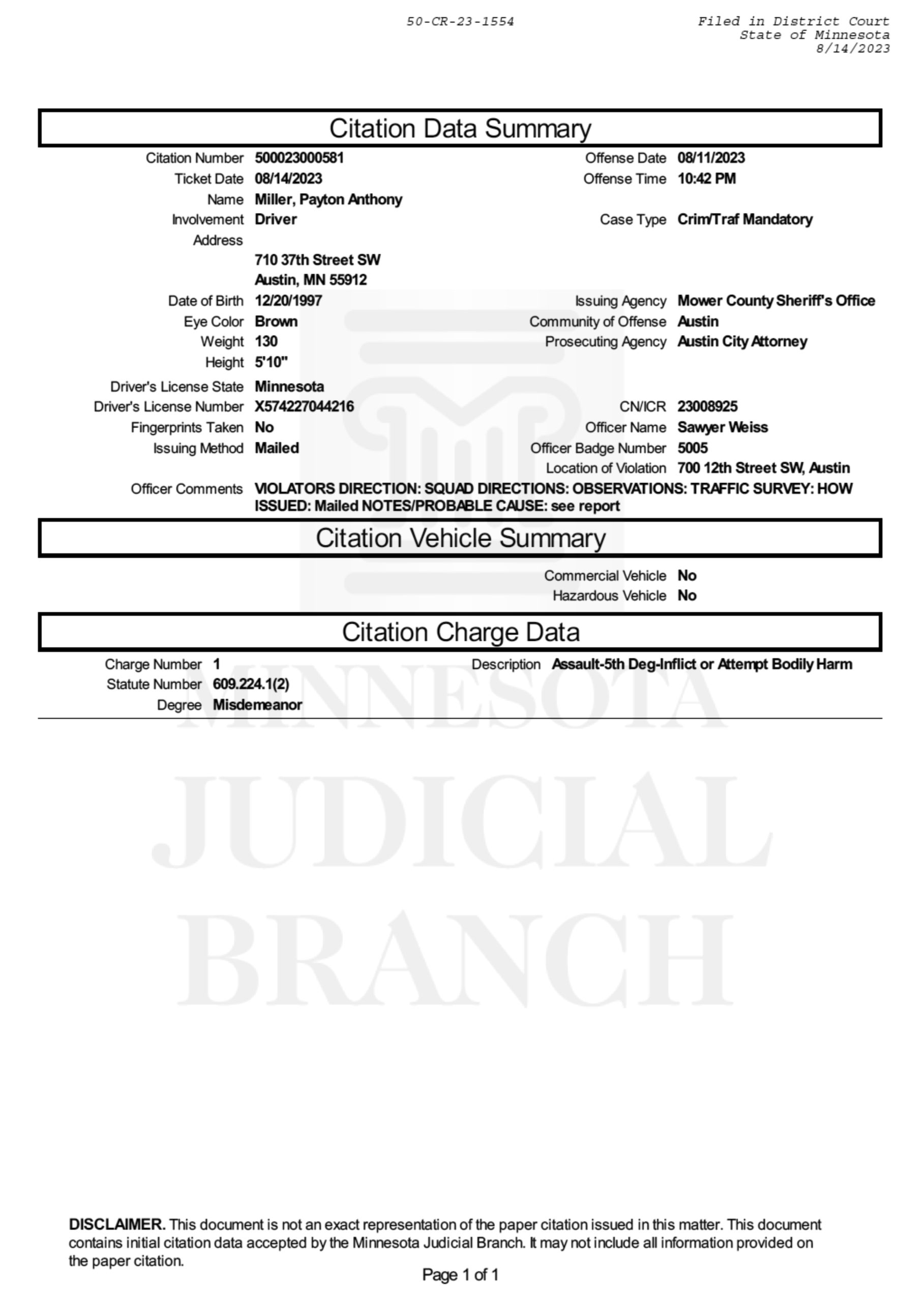
One year after his conviction, the case of Payton Anthony Miller — stemming from an August 2023 altercation at the Mower County Fair — has raised questions about how violent conduct is charged and adjudicated in Minnesota.
Miller was initially cited on August 14, 2023, for fifth‑degree assault — inflicting or attempting to inflict bodily harm following an incident that occurred on August 11, 2023, in Austin during the Mower County Fair.
Violent Conduct Described
According to the victim impact statement submitted in court, the victim reported being taken by surprise when the defendant struck them in the face, causing them to fall. The statement describes the defendant then being on top of the victim and delivering repeated blows to the head.
The victim reported significant physical injuries, including:
- A concussion (traumatic brain injury)
- Persistent migraines and memory issues
- Head and jaw bruising
- Shoulder instability and dental pain
They also described ongoing emotional distress, anxiety, and long‑term disruptions to their personal and professional life.
(Below: Left – Facebook)

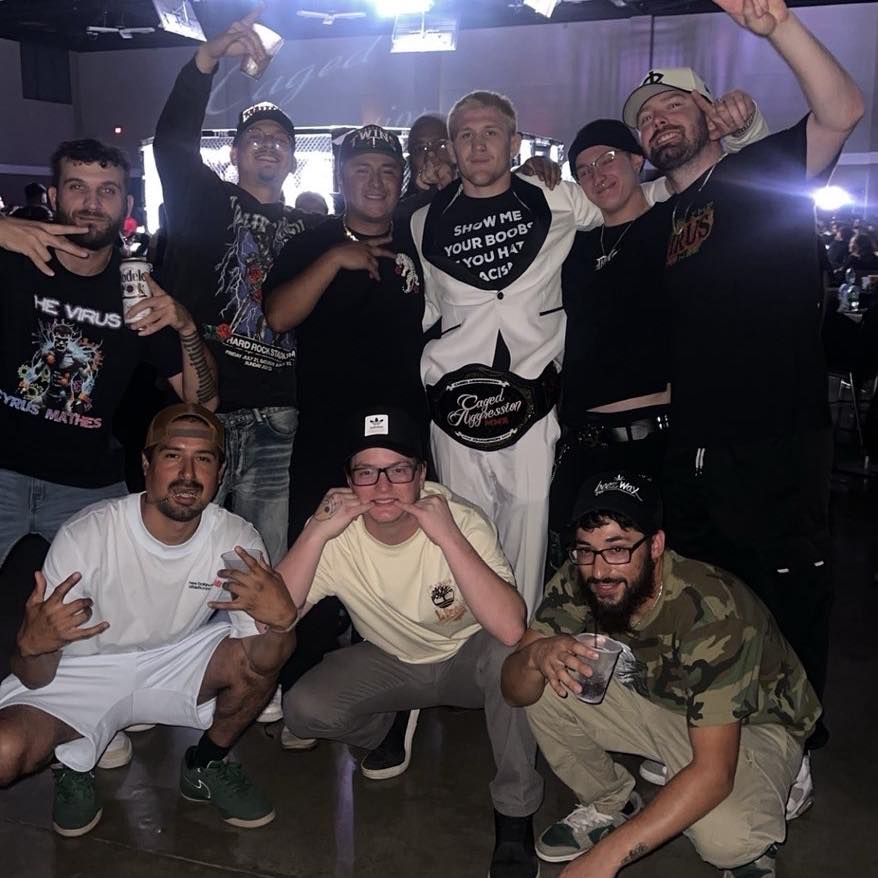
(Above: Bottom Center – Facebook)
Charge Reduced Through Plea Agreement
Despite the severity of the reported injuries and the nature of the conduct described, the original assault charge was later amended.
In August 2024, Miller entered a plea agreement in which the charge was reduced to disorderly conduct (brawling or fighting), a misdemeanor offense. On October 18, 2024, he was sentenced to:
- 90 days in jail, stayed for one year
- One year of supervised probation
The jail sentence was stayed, meaning no immediate incarceration unless probation is violated.
Discussion: Severity vs. Charge
For many observers — including members of the local community and advocates for stronger protections against violence — the conduct described in the victim’s statement is far more serious than what people typically associate with a misdemeanor disorderly conduct case.
Punching someone in the face, causing them to fall, and then continuing to strike them in the head are actions that most people would view as violent and potentially life‑threatening. A concussion is a form of traumatic brain injury that carries both short‑ and long‑term health risks, including the possibility of permanent disability.
Critics argue that such conduct — particularly when described as sudden and unprovoked — aligns more closely with what the public understands as “attempted serious harm” rather than a simple disturbance involving mutual yelling or shoving.
Broader Questions About Justice and Event Safety
The outcome in this case reflects how plea negotiations and prosecutorial discretion can dramatically transform the final charges and penalties in violent incidents. It also raises broader questions about:
- How prosecutors decide which cases to pursue at full charge versus which to reduce, especially in incidents involving clear physical injury.
- Whether current misdemeanor sentencing structures adequately reflect the harm caused by certain violent acts.
- How law enforcement prepares for and responds to violent conduct at large public events like county fairs.
Large public gatherings such as the Mower County Fair — along with many other county fairs statewide — are known to present challenges for crowd control and public safety, especially when alcohol is present. Law enforcement agencies routinely plan for increased presence and rapid response during fair weeks.
Conclusion
While the criminal case concluded with a misdemeanor conviction, the severity of the reported conduct has left many in the community questioning whether the final outcome adequately reflects the physical and emotional harm described by the victim. The case continues to prompt discussion about how violent behavior is defined, charged, and punished — and whether the justice system’s current approach aligns with community expectations for accountability and public safety.
(Below: MCRO)