
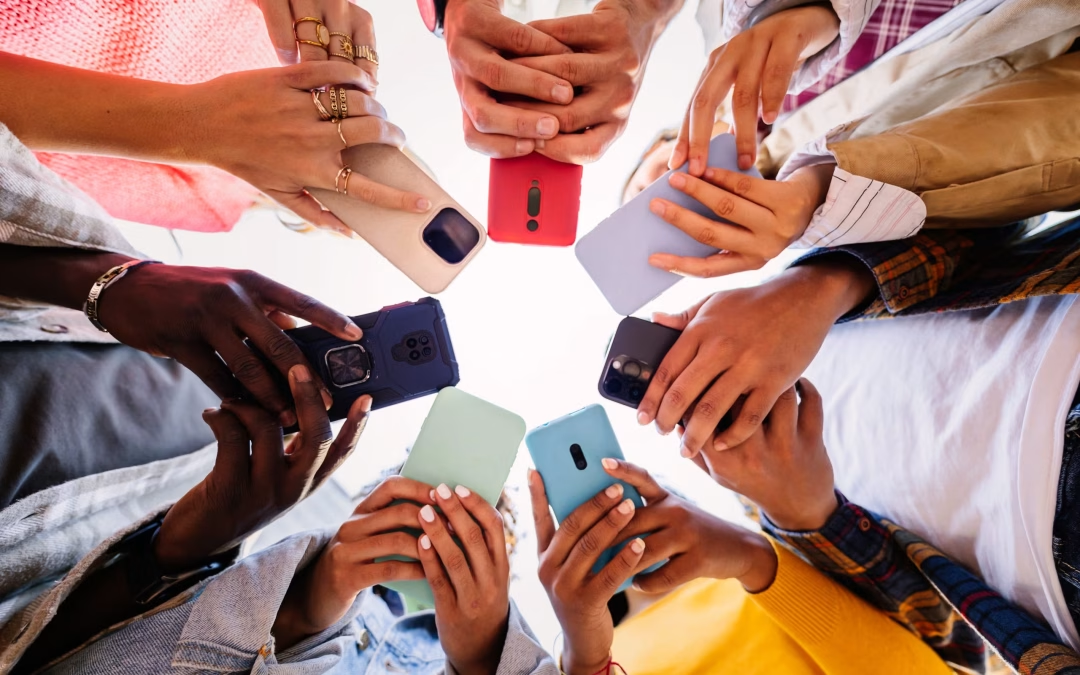
(Photo: Getty Images)
New York, NY — October 15, 2025
Smartphones were sold to us as tools of connection — devices that would let us reach one another anywhere, anytime. Yet in the everyday reality of dinner tables, workplaces, and coffee shops, those same devices often distract us from the people right in front of us. In 2025, as concerns about mental health and social connection continue to rise, it’s important to confront how smartphones — and the behaviors they enable — are quietly reshaping our social lives.
Research now documents what many of us feel anecdotally. The behavior known as phubbing — prioritizing a phone over a person in the same room — has been linked in studies to reduced perceived emotional connection and lower satisfaction in interpersonal relationships. Loneliness appears to mediate the relationship between phubbing and psychological distress, suggesting phones can erode real‑world rapport even when they seem to keep us connected.
Academic research also shows that excessive smartphone use correlates with higher social anxiety and loneliness, particularly among young adults, and that mobile phone addiction can contribute to interpersonal difficulties. This pattern suggests a cycle: social anxiety and loneliness may both drive and result from problematic phone behaviors like phubbing and compulsive checking.
Studies among university students have found that factors such as the fear of missing out (FoMO) — the anxiety of not being constantly connected — and smartphone addiction are associated with reduced face‑to‑face interaction and lower life satisfaction. Users driven by FoMO may check phones in social settings, diminishing cooperation and weakening personal bonds.
National surveys and usage data also paint a broader picture of our reliance on screens. In 2025, a reputable statistics review found that an overwhelming 76% of adults report nomophobia — the intense fear of being without a mobile phone — while the average American now spends more than five hours per day on their phone, and 60% check their device within 10 minutes of waking. These habits can fragment attention, degrade focus, and make sustained social engagement more difficult.
The qualitative experience of smartphone distractions is echoed across society. Students frequently describe casual environments — from cafeterias to waiting rooms — where phones dominate attention, leaving little space for spontaneous conversation. Anecdotal reports suggest phones have become a social default whenever in‑person interaction might occur.
Not all smartphone use is detrimental. Digital tools can help coordinate plans, maintain long‑distance friendships, and support creativity. But when devices become the fallback during real‑life interaction, they risk substituting illusions of connection for the real thing.
Practical strategies can help reclaim attention and presence: instituting device‑free zones at meals, silencing nonessential notifications during conversations, and scheduling intentional digital breaks can all foster deeper human connection. These steps don’t require abandoning technology — just using it with intention rather than reflexive habit.
If we want to preserve empathy, nuance, and deep human bonds, we must recognize that smartphones are tools — not substitutes — for real life. Because connection isn’t measured in likes or replies; it’s measured in eye contact, shared laughter, and the sense of being truly heard.
Phones should bring us closer — not pull us apart.