
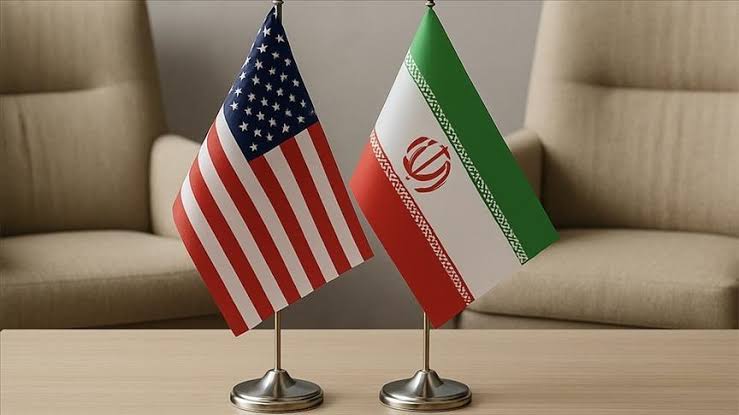
(Photo: AA)
Washington, D.C. — June 16, 2026
For years, Donald Trump attacked former President Barack Obama over the 2015 Iran nuclear agreement. Trump called it one of the worst deals ever negotiated, arguing that it gave Iran too much money and too many concessions while failing to permanently stop its nuclear ambitions. In 2018, Trump withdrew the United States from the agreement, insisting that he could secure a better deal.
Today, the irony is difficult to ignore.
After months of conflict and a costly military confrontation with Iran, the Trump administration has negotiated a new framework agreement that reportedly includes sanctions relief, access to frozen Iranian assets, and major economic incentives. Critics from both political parties have noted that some of the concessions being discussed resemble or even exceed those that Trump spent years condemning under Obama.
The difference is that Obama’s agreement was reached through diplomacy before a war began. Trump’s approach involved withdrawing from that agreement, years of escalating tensions, and eventually a military conflict that many Americans believe could have been avoided. Recent polling suggests that a majority of Americans disapprove of Trump’s handling of the Iran conflict and believe U.S. military involvement went too far.
Supporters of Trump argue that his new framework is tougher than Obama’s deal because it seeks stricter limits on Iran’s nuclear activities and emerged after military pressure weakened Iran’s position. Trump himself has rejected comparisons to the Obama-era agreement and continues to describe the 2015 deal as a disaster.
However, critics see a contradiction. Trump spent years claiming that Obama “gave Iran everything.” Yet his administration is now discussing sanctions relief, the return of frozen assets, and substantial economic incentives as part of its own negotiations. Even some Republican lawmakers and conservative commentators have criticized the current agreement, arguing that the United States is giving away too much after paying a high military and financial price.
The larger question is whether the United States is actually in a stronger position today than it was before Trump abandoned the original nuclear agreement. Supporters believe the answer is yes. Critics argue the opposite: that America left a functioning, if imperfect, diplomatic framework, endured years of rising tensions, became involved in a war, and ultimately returned to negotiations offering many of the same incentives that Trump once condemned.
If that criticism is fair, then history may judge this episode as a lesson in the costs of abandoning diplomacy. Trump built much of his argument against Obama on the claim that he would be tougher on Iran and secure a better outcome. Whether the current agreement achieves that goal remains to be seen. But if the final result resembles the deal he spent years attacking—after a war that cost lives, money, and stability—it will be difficult to argue that this was the better path.