
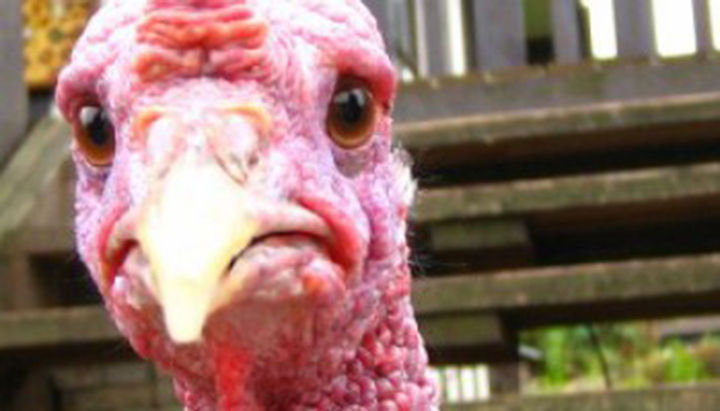
(Photo: The Diamondback)
Washington, D.C. — November 26, 2025
Turkey, pumpkin pie, and family arguments aside, this Thanksgiving feels different. It’s hard to be thankful when the economy is quietly collapsing around us — a depression no one seems willing to name.
The signs are all there. Inflation stubbornly refuses to fall, wages barely cover the bills, and essential costs — rent, health care, food — continue climbing. Millions of people are barely scraping by, while the stock market shimmies along like a circus performer trying not to fall. Yet, unlike 2008, nobody is panicking. No one seems to remember the chaos of the Great Recession, even though the warning lights are blinking bright red.
Why the silence? Perhaps because this depression doesn’t come with the dramatic collapse of banks or Wall Street CEOs being thrown into the news cycle. It’s slower, more insidious, disguised by corporate spin, social media distractions, and the illusion of “recovery” in the headlines. Outrageously high rents, skyrocketing healthcare costs, student loan debt — these are not abstract numbers. They are the daily reality for millions. Yet somehow, the public conversation acts like everything is fine.
Even government economists admit growth is stagnant, productivity is down, and inequality is soaring, but the narrative insists we’re just “in a soft patch” or “transitioning.” Meanwhile, ordinary families tighten budgets, skip meals, delay medical care, and wonder if this is the “new normal.”
So, this Thanksgiving, it’s okay if gratitude feels impossible. It’s okay to feel frustrated at a system that rewards the already wealthy and overlooks the silent suffering of millions. And maybe — just maybe — acknowledging the truth is the first step toward demanding real solutions.
Because you can’t fix what no one is willing to name. And this quiet depression deserves a voice, even if it isn’t dressed up like a headline.