
(Photo: Youtube)
Hoboken, NJ — February 1, 2026
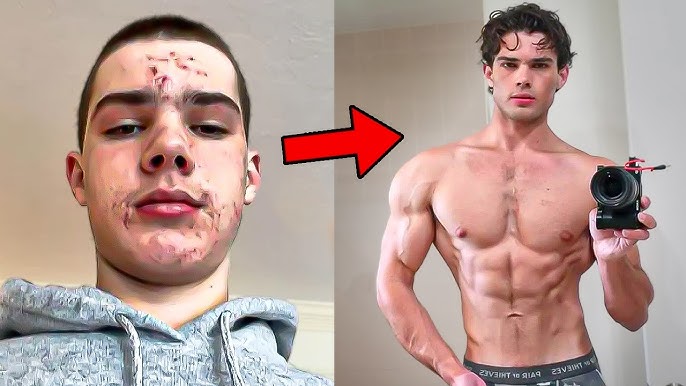
On the surface, “looksmaxxing” appears harmless: a subculture where young men obsess over improving their physical appearance, from fitness and grooming to cosmetic procedures. But beneath the surface, the movement raises unsettling questions about modern beauty culture and the persistence of racialized and eugenicist ideals.
Influencers like Clavicular promote a worldview that equates physical attractiveness with social power and moral worth. While self-improvement is a common human impulse, the “hardmaxxing” subculture amplifies this into an obsessive hierarchy of human value based on looks — often centering traits historically associated with “Aryan” or European beauty: broad shoulders, angular faces, blonde hair, blue eyes, and specific skeletal proportions.
This is not theoretical. Clavicular recently sparked outrage when he was filmed in a Miami Beach nightclub during a livestream event where the controversial song “Heil Hitler” by Kanye West played. In the video, he and others were seen singing along, a moment that many critics saw as a public flirtation with white supremacist imagery and rhetoric. While Clavicular later defended it as “just a song,” the episode underscores how the looksmaxxing scene can intersect with extremist aesthetics and ideologies, normalizing symbols that historically justified racial hierarchy and oppression.
Many of the concepts underpinning looksmaxxing echo early 20th-century eugenics, which sought to quantify human worth through physical traits. The language of “mogging” (being more attractive than others) and ranking individuals by facial symmetry or skeletal dimensions mirrors the pseudoscientific hierarchies used to justify racial supremacy decades ago. In effect, looksmaxxing often repackages these ideologies for a new generation under the guise of self-help and lifestyle advice.
Social media platforms amplify the problem. Algorithms reward extreme, visually striking content, promoting hyper-masculine, Eurocentric beauty ideals while marginalizing diversity. Followers internalize these metrics as moral imperatives: success, desirability, and social capital become tied to traits that are racialized and historically propagandized.
Critics argue that looksmaxxing is essentially modern-day white pride masquerading as lifestyle optimization. It normalizes obsession with “superior” physical traits, promotes hierarchical thinking about human worth, and subtly reinforces the same racialized preferences embedded in earlier propaganda about blond hair, blue eyes, and European features.
The danger is compounded by the normalization of extreme measures: anabolic steroids, hormone manipulation, and cosmetic surgery. What begins as fitness or grooming advice can escalate into risky behavior, often justified by the implicit belief that attaining these Eurocentric traits is a moral or social imperative. In other words, looksmaxxing doesn’t just replicate old beauty standards — it encourages the pursuit of those standards at the cost of physical and psychological health.
We must ask ourselves: is this self-improvement, or a digital revival of toxic hierarchies dressed in the language of personal agency? When youth culture idolizes traits historically associated with racialized supremacy, there is a social responsibility to confront the roots of these obsessions. Left unchecked, looksmaxxing risks grooming a generation for whom physical perfection is inseparable from social worth — a dangerous echo of ideologies that, in the past, justified inequality and oppression.
In short, looksmaxxing may appear modern and harmless, but it carries the cultural DNA of white pride, eugenics, and propagandized beauty ideals. Incidents like Clavicular singing along to a “Heil Hitler” song make it clear that the movement’s surface-level obsession with appearance can mask far more sinister historical and ideological currents. Calling it out is not moral panic — it’s an urgent critique of a subculture whose obsession with superficial traits could have consequences far beyond the mirror.