
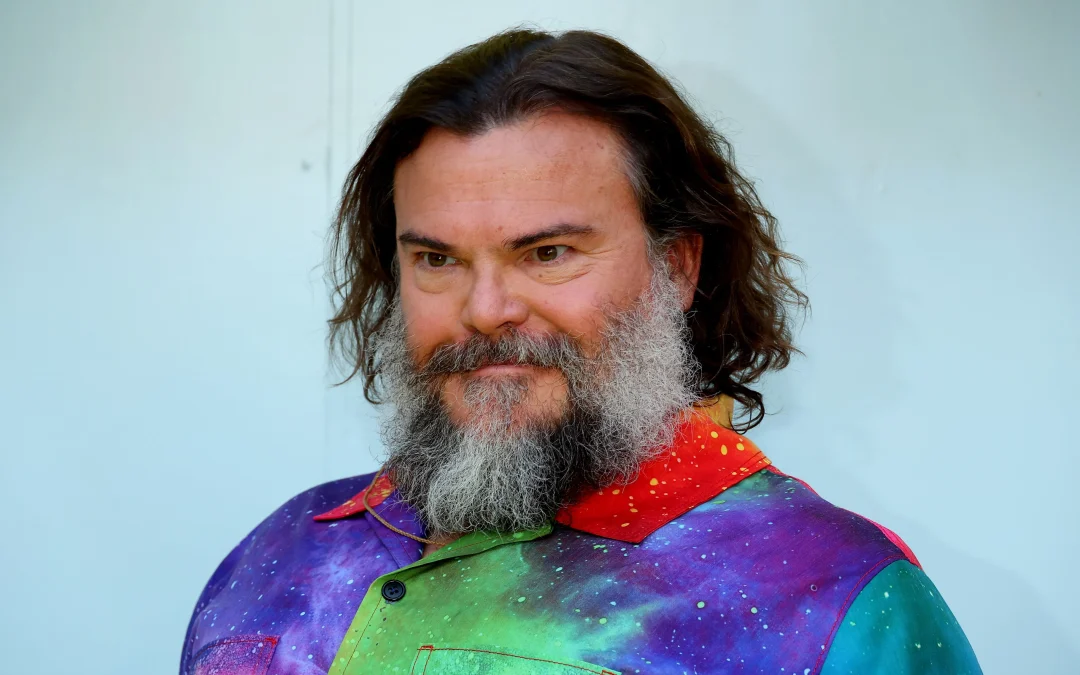
(Photo: Leon Bennett/ Getty Images)
Los Angeles, CA — April 5, 2026
Jack Black was once a unique force in Hollywood. His early career, with cult hits like School of Rock and High Fidelity, showcased a combination of manic energy, comedic timing, and musical talent that few actors could match. But fast forward to 2026, and it’s hard to deny a sobering reality: Jack Black’s star power has largely narrowed to family films and meme-driven appearances. His attempts at broader cultural relevance have largely failed, leaving him as a figure whose presence is nostalgic at best, and irrelevant at worst.
The timing is telling. On April 4, 2026, Black was in the spotlight again when he hosted Saturday Night Live and was officially inducted into the Five‑Timers Club. The milestone made headlines, but even here, the coverage focused more on his veteran status and comedic history than any current cultural impact. It underscored the gap between media nostalgia and genuine relevance in 2026.
Black now dominates kid-friendly franchises and voice roles, from animated films to derivative comedies aimed at preteens. While he remains talented, this pigeonholing reduces his impact on serious cinema. Gone are the days when Jack Black could carry a film with edge, wit, or genuine cinematic daring. Today, he exists primarily as a commercial, safe entertainer — a performer whose appeal is mostly nostalgia-driven, and whose projects are carefully sanitized for parental approval.
Even in mainstream media appearances, Black’s influence is limited. He frequently shows up in viral clips or as a comic relief in ensemble casts, but rarely drives conversation beyond lighthearted social media chatter. His comedic energy, once a distinguishing hallmark, now feels confined to predictable tropes and kid-centric humor.
Ultimately, Jack Black exemplifies the Hollywood career arc of a performer who peaked two decades ago and has since been reduced to typecasting and spectacle. His voice is recognizable, his comedy still energetic, but his resonance outside the realm of children’s films is increasingly marginal. For audiences seeking depth, innovation, or meaningful commentary, Black now largely exists as a safe, nostalgic figure — someone whose relevance in today’s pop culture conversation is tenuous at best.
In a Hollywood obsessed with reinvention and risk-taking, Jack Black serves as a cautionary tale: even immense early talent cannot indefinitely protect an actor from the twin forces of typecasting and nostalgia. The man who once embodied creative chaos and musical irreverence now finds himself confined to a narrow lane — and while he entertains, he no longer challenges, surprises, or truly shapes pop culture.