
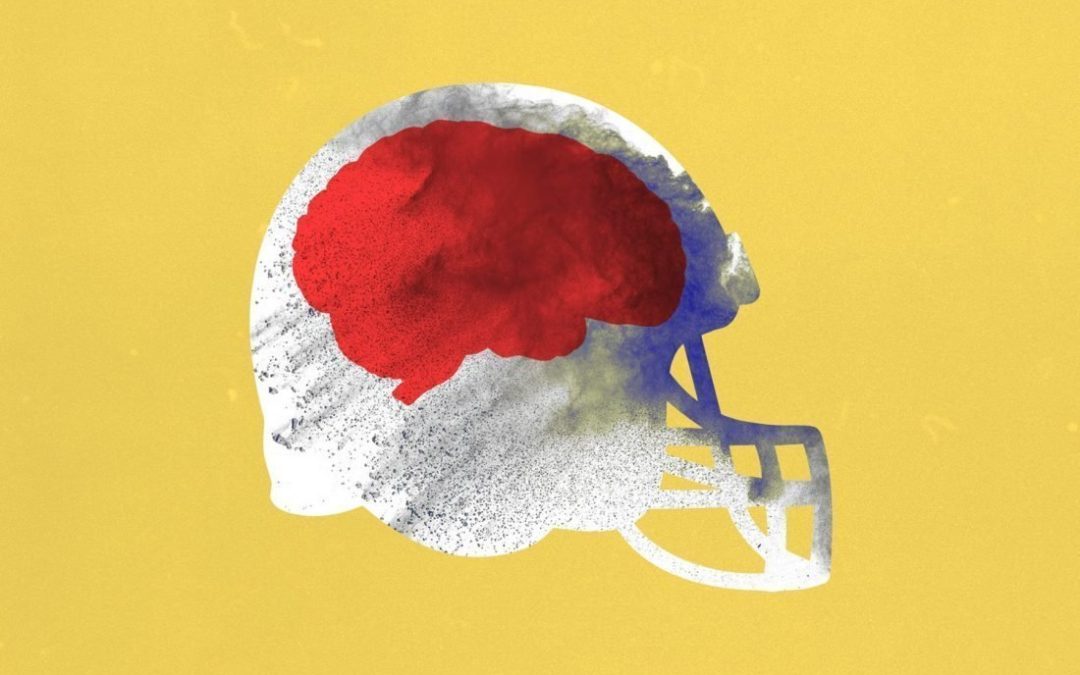
(Photo: FSP)
New York, NY — January 5, 2026
It’s time to stop tiptoeing around the harshest truth in modern sports: Chronic Traumatic Encephalopathy (CTE) is real, preventable in principle, and yet sports culture — especially American football — has chosen denial, profit, and optics over athlete safety.
We’ve heard the talking points for decades: “Get back in the game.” “You’ll be fine.” “Toughness is part of the sport.” But when that mindset costs players their memories, their minds, and sometimes their lives, it isn’t bravery — it’s negligence.
The Evidence Is Overwhelming
Even though CTE can only be diagnosed definitively after death, scientific investigations have repeatedly confirmed what many sufferers already knew in their bones: repeated head impacts cause real, long-term brain damage.
One of the most stark findings comes from the Boston University CTE Center, which found evidence of CTE in 345 of 376 former NFL players studied — a staggering 91.7%. That’s not a fringe phenomenon — it’s a near-universality among the brains examined in this group.
Meanwhile, real-world data from former players shows that about one-third believe they have CTE based on their symptoms and life experience, reporting cognitive struggles, mood swings, depression, and other effects associated with repeated head trauma.
Even outside professional ranks, CTE is emerging in younger athletes. A tragic case from 2025 brings this into frightening focus: a former high school football player who carried out a deadly attack near NFL headquarters was found to have low-stage CTE at autopsy, and he explicitly blamed head trauma in contact sports — a sobering reminder that risk is not confined to elite players.
This Isn’t Just Science — It’s a Story of Denial, Delay, and Damage
For decades, the NFL downplayed the link between football and brain injury. Internal documents — and a cat’s paw of litigation — revealed a pattern eerily reminiscent of other corporate health scandals: skepticism promoted until the science could no longer be denied. The league’s own Milder Traumatic Brain Injury Committee repeatedly bucked independent research and attempted to dismiss data linking collisions to long-term neurological decline.
And it wasn’t just about studies. When cases like Junior Seau, Andre Waters, and Dave Duerson ended in suicide — with autopsies showing CTE — public awareness should have spiked. Instead, the league pivoted to damage control and settlement negotiations that did not require full admission of liability and ultimately limited accountability.
Even massive legal settlements, worth more than a billion dollars, have repeatedly fallen short — structurally limiting claims, restricting medical access, and leaving many former players without meaningful compensation or care.
And It’s Not Just Football
Wrestling, hockey, rugby, and other collision sports all involve countless sub-concussive impacts — collisions that don’t always make headlines but collectively injure the brain. Research shows that it is the repeated force of hits, not just diagnosed concussions, that predicts CTE risk.
Whether it’s a tackle, a takedown, or a body check, the same biomechanical burden applies: brains rattled over and over are brains in decline. This is not speculation — it’s the direction modern neuroscience points when head trauma becomes chronic.
Why This Matters Now
In early 2026, we hold onto the illusion that we can manage this with better helmets and protocols alone. But helmets cannot stop the acceleration-deceleration brain jostle that occurs on virtually every play in contact sports. Rule changes and “safer tackle” initiatives are positive steps, but they address symptoms rather than the systemic cause: a culture that amplifies contact, normalizes head impacts, and profits from fans who still applaud collisions as entertainment.
The tragedy in New York — where a young man with CTE lashed out in violence and cited football as part of his descent — underscores how real and pervasive the issue has become.
We Need Less Nostalgia and More Action
If we care about the future of kids, athletes, and even the culture of competitive sports itself, we must confront the full truth:
-
CTE is a documented consequence of repeated head trauma across contact sports.
-
Elite athletes are not the only victims — damage begins early and accumulates.
-
Corporate and institutional denial has cost time, care, and transparency.
-
Helmet tech and better rules help, but they don’t eliminate the root cause.
We shouldn’t romanticize pain or label brain injury as a rite of passage. We shouldn’t celebrate “touchdowns at all costs” or excuse reckless hits with slogans about toughness. If sports are meant to uplift and inspire, they should not cripple minds in the long run.
In January 2026, the science is clear, the human cost is measurable, and the argument isn’t “whether CTE exists” — it’s whether we are willing to change the culture that created it.
Because if we don’t, we are choosing entertainment over brains — and that choice will cost us dearly.