(Photo: 1X Technologies)
Lindon, UT — June 29, 2026
Sometimes an image says more than its creators ever intended. Other times, an image says enough that the people who created it owe the public an explanation.
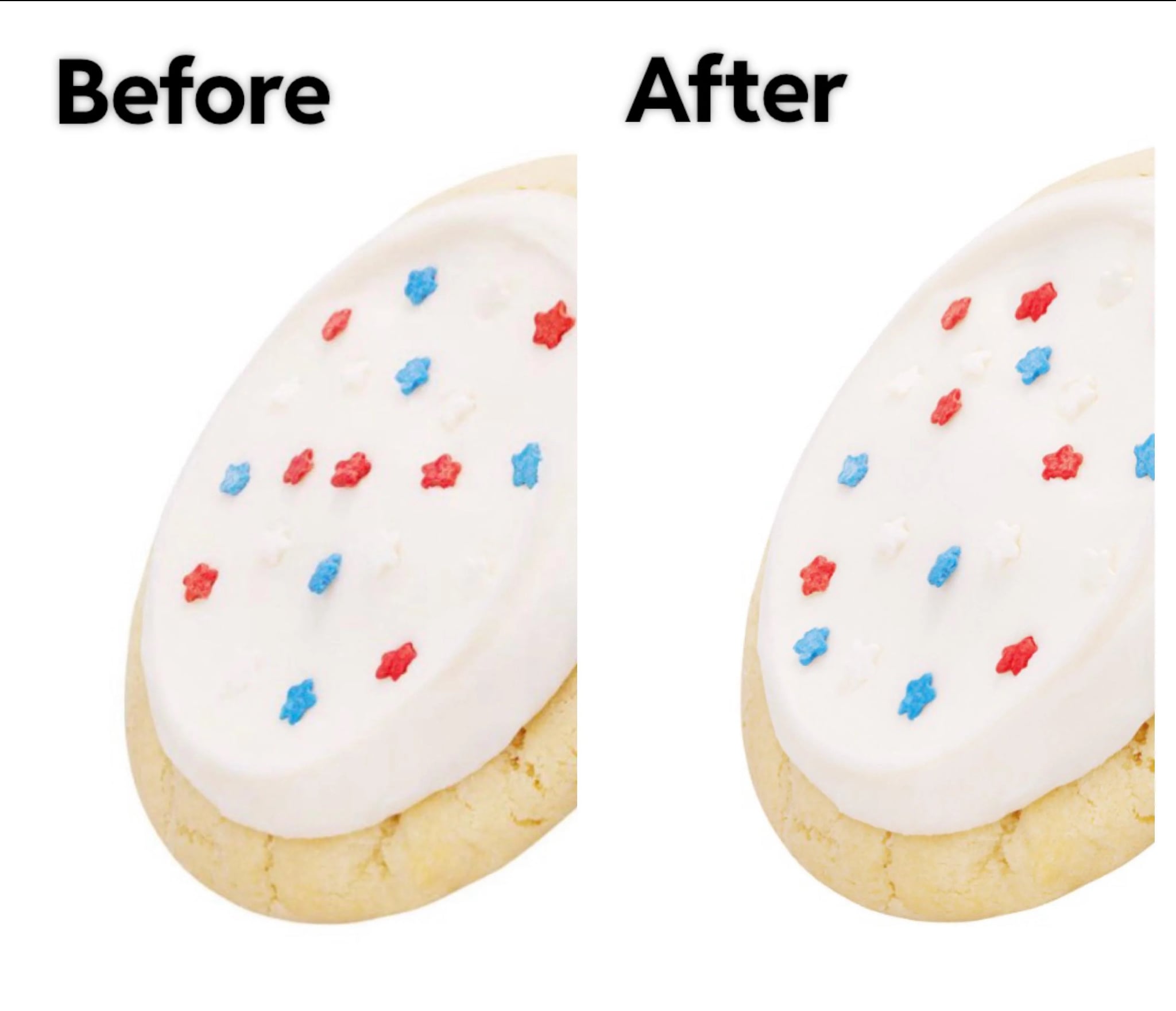
This week, Crumbl’s promotional image for its patriotic Fourth of July sugar cookie began circulating online after viewers noticed what many believe is an unmistakable resemblance hidden within the cookie’s sprinkle arrangement. The red and blue star sprinkles appear to form a shape that many people interpret as a swastika—a symbol forever associated with Nazi Germany, antisemitism, and some of history’s worst atrocities.
Whether that resemblance was intentional is something only Crumbl can answer. There is currently no evidence that the company deliberately embedded such imagery into its advertisement, and it would be irresponsible to claim otherwise.
However, intent is not the only issue.
What makes this situation more notable is what happened afterward. The promotional images that sparked the discussion appear to have been replaced with different photographs. If that timeline is accurate, it suggests the company recognized that the original image had become a distraction. Yet no public explanation accompanied the change.
Replacing an image without comment may be an understandable public relations decision, but it also leaves customers wondering what prompted the revision. Was it simply to avoid controversy? Did the company agree the resemblance was unfortunate? Or was it merely updating promotional materials? Without a statement, those questions remain unanswered.
Reasonable people can disagree over whether the sprinkle arrangement truly resembles a swastika. Some will see only randomly scattered decorations. Others will immediately recognize a pattern they find difficult to ignore. Once that comparison is made, it is understandable why the image has attracted attention online.
Companies routinely revise advertisements when consumers identify unintended imagery or messaging. Doing so does not necessarily amount to an admission of wrongdoing, nor does it establish malicious intent. But when a promotional image generates widespread discussion and is quietly replaced, transparency becomes the better course.
A simple explanation from Crumbl would likely do more to address the controversy than silence.
The issue here is not whether an offensive symbol was intentionally hidden in a cookie advertisement. There is no evidence supporting that conclusion. The issue is whether companies should acknowledge and explain significant changes made after public concern arises.
Consumers deserve clear communication, particularly when questions arise around imagery associated with one of history’s most recognizable symbols of hate. Even if the resemblance was entirely accidental, acknowledging it openly would help prevent speculation from filling the vacuum.
Until then, the conversation is likely to continue—not because people have all reached the same conclusion, but because they have not.