
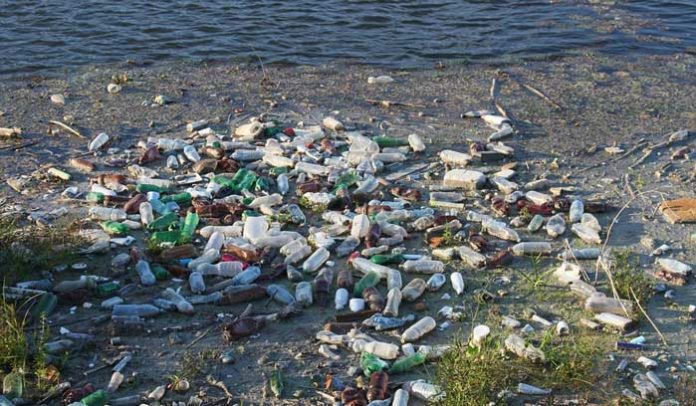
(Photo: ESE Mag)
TORONTO, Ontario — September 24, 2026 — The Ontario government has announced up to $1.8 million in funding for community-led projects intended to protect and restore the Great Lakes, offering new support for local environmental initiatives while renewing attention on the long-term challenge of preserving North America’s largest freshwater lake system.
The investment, announced Thursday through the province’s Great Lakes Local Action Fund, will support eligible projects focused on restoring wetlands, addressing pollution, improving water quality and rebuilding habitats along the Great Lakes and their connecting rivers.
The province is also opening a new application round for organizations seeking financial assistance during the 2026–2027 program year. The deadline for applications is November 6.
Ontario says it has committed $5.5 million to 107 projects through the fund since 2021. The latest announcement adds to those efforts as communities continue to confront environmental pressures affecting waterways, wildlife and the natural spaces that support regional economies.
For a province whose cities, industries and communities depend heavily on the Great Lakes, the investment represents another attempt to turn environmental commitments into local restoration work. The larger question is whether funding at this scale can deliver lasting improvements across a freshwater system facing pressures from pollution, development and environmental change.
Community Projects at the Center of Restoration Efforts
The Great Lakes Local Action Fund is designed to support projects led by communities and organizations working to improve the health of the lakes and their connecting waterways.
Eligible proposals can focus on protecting water quality, improving environmental resilience and restoring Great Lakes ecosystems. Projects may include wetland restoration, habitat improvements and measures intended to reduce pollution entering local rivers and lakes.
Community-led programs can address problems that larger, centralized initiatives may not fully resolve. Local organizations often have detailed knowledge of the waterways, habitats and environmental pressures affecting their areas.
Restoring a wetland, for example, can provide habitat for birds, fish and other wildlife while helping filter pollutants and regulate water movement. Improving the condition of a connecting river can also benefit a larger watershed because waterways carry nutrients, contaminants and sediment toward the Great Lakes.
Such projects can produce benefits that extend beyond their immediate locations. Healthy wetlands and river systems can support biodiversity, improve recreational opportunities and contribute to the resilience of surrounding communities.
However, restoration work can take years to produce measurable results. The success of the program will depend not simply on how many projects receive funding, but on whether those projects improve environmental conditions and maintain those gains over time.
Why Protecting the Great Lakes Matters
The Great Lakes contain approximately 20 per cent of the world’s surface freshwater and form one of the most important freshwater systems on the planet.
They provide drinking water, support commercial and recreational fishing, sustain tourism and serve as an essential part of the regional transportation and industrial economy.
Millions of people live in communities connected to the lakes, and countless businesses depend directly or indirectly on their continued health.
Environmental damage can therefore affect more than wildlife or shoreline appearance. Pollution can increase water-treatment costs, damage fish habitat and restrict recreational activities. Degraded wetlands can reduce biodiversity and weaken natural systems that help manage runoff and filter contaminants.
The Great Lakes are also connected to an extensive network of rivers, streams and tributaries. Problems originating far inland can eventually affect the larger lakes, making watershed management an important part of freshwater protection.
For Ontario, investing in community projects is one way to address environmental problems at a local level while contributing to the broader health of the basin.
The province says it invests approximately $14 million annually in Great Lakes protection and restoration activities, including initiatives connected to broader water-quality commitments with the federal government.
The new funding is part of that wider effort, but it does not eliminate the need for pollution prevention, infrastructure improvements and effective environmental enforcement.
Restoration Requires More Than Announcements
Government grants can provide essential resources for organizations that otherwise lack the funding to carry out restoration projects. Yet announcing money is only the first step in a longer process.
Projects must be planned, implemented and evaluated to determine whether they achieve their intended results. Wetlands must remain protected after restoration, pollution sources must be addressed, and improvements in water quality must be sustained.
Some environmental problems also require coordination across municipal, provincial and national boundaries. A local group may improve one section of a river, but contamination originating elsewhere can continue to affect the same watershed.
That makes cooperation among community organizations, governments, scientists, Indigenous nations and landowners essential.
There is also a difference between restoring damaged ecosystems and preventing new damage from occurring. Both are necessary, but restoration alone cannot compensate indefinitely for ongoing pollution or the destruction of natural habitats.
The effectiveness of the Great Lakes Local Action Fund will therefore depend on how its projects fit into the wider environmental protection system and whether successful initiatives receive enough support to maintain their results.
The November 6 application deadline gives eligible organizations several weeks to prepare proposals for the latest funding round. For community groups with projects ready to proceed, the announcement provides an opportunity to secure resources for work that could otherwise remain unfunded.
Local Communities Have a Direct Stake
The benefits of Great Lakes restoration extend to people who may never think of themselves as environmental advocates.
Residents depend on safe drinking water. Anglers and commercial fishers depend on healthy fish populations. Tourism businesses rely on attractive shorelines and clean recreational waters, while municipalities must manage the costs associated with water treatment and environmental protection.
Healthy ecosystems can also make communities more resilient to environmental pressures by supporting natural drainage, reducing erosion and maintaining habitats that are essential to wildlife.
For many Indigenous communities, the Great Lakes and their tributaries carry additional cultural, spiritual and traditional importance. Protecting freshwater ecosystems is therefore also connected to preserving relationships with the land and water that have continued for generations.
Community-led restoration can help bring these different interests together, particularly when projects are developed in partnership with the people who depend most directly on the affected waterways.
But meaningful progress requires more than inviting communities to participate. It also requires ensuring that residents can see how public funding is being used and whether environmental conditions are improving.
Transparent reporting and long-term monitoring will be important in demonstrating that the investments are producing tangible benefits.
The Challenge of Protecting a Shared Resource
Ontario’s restoration efforts form part of a larger challenge involving both Canada and the United States.
The Great Lakes basin crosses an international border, and environmental problems affecting one side can have consequences for the other. Pollution, invasive species, habitat loss and changes in water conditions require cooperation among jurisdictions that may have different priorities and regulatory systems.
Community projects can help address local problems, but they work best when supported by broader policies that prevent pollution and coordinate environmental protection across the watershed.
The region has made progress through restoration programs and international cooperation, yet continued investment remains necessary to protect areas that have experienced decades of industrial development and environmental pressure.
For Ontario, the new $1.8 million commitment offers another opportunity to support practical work in communities across the province.
The challenge will be ensuring that those investments are not isolated efforts, but part of a sustained approach that combines restoration, pollution prevention, scientific monitoring and public accountability.
A Long-Term Responsibility for Ontario
The Great Lakes are often treated as an abundant resource because of their enormous size. But the amount of freshwater they contain does not make them immune to environmental damage.
Their long-term health depends on the condition of the ecosystems that surround them, the decisions made by governments and industries, and the ability of communities to protect the waterways on which they depend.
Ontario’s latest funding announcement provides additional support for local organizations seeking to improve those conditions. The next step is translating that support into projects that produce measurable and lasting improvements.
The November application deadline will determine which organizations can compete for the new funding, while the longer-term results will depend on implementation and continued environmental stewardship.
The Great Lakes have supported generations of communities, but their future cannot be taken for granted. Restoration requires sustained work, and preventing further damage requires decisions that prioritize clean water over short-term convenience.
For the communities that depend on these waters, the value of the funding will ultimately be measured not by the size of the announcement, but by what changes along the shorelines, rivers and wetlands where the work takes place.
The $1.8 million commitment is a step toward that goal. The greater responsibility is ensuring that the lakes remain healthy enough to sustain the people, wildlife and economies that depend on them for generations to come.