
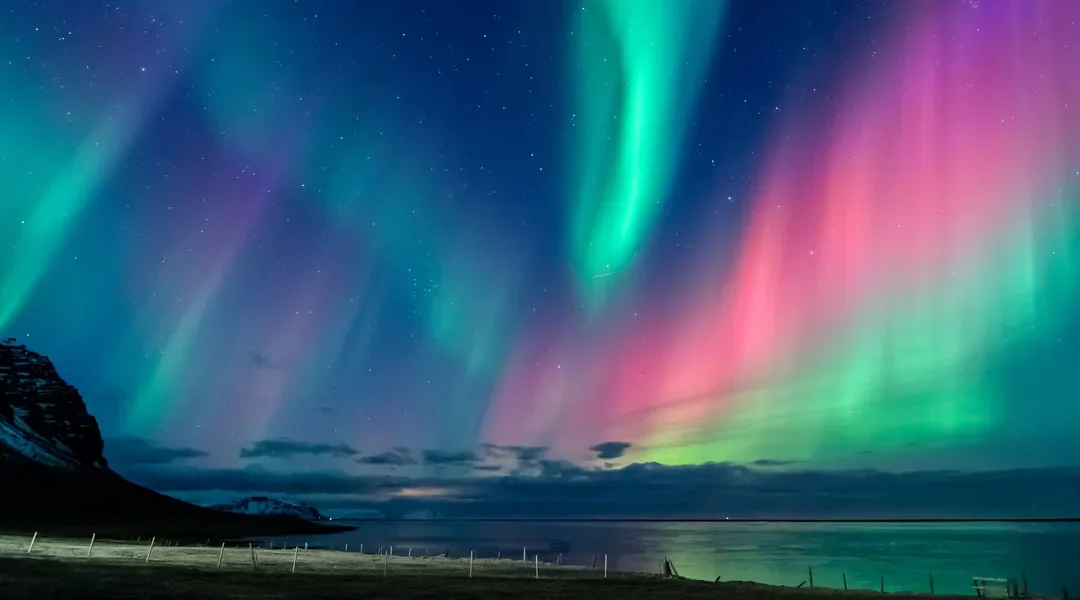
(Photo: Simone Renoldi)
Yellowknife, NT — January 19, 2026 — Canadians in the north are being advised to look to the skies tonight as a geomagnetic storm (G4 – Severe) is expected to produce a spectacular display of the aurora borealis across northern regions of the country.
The storm is the result of a coronal mass ejection (CME) from the sun, which is predicted to push the auroral oval southward, potentially allowing the northern lights to be seen not only in Yellowknife, Fort McMurray, and Churchill, but also in parts of Alberta, Manitoba, and even further south than usual. (watchers.news)
Scientific Context
Auroras occur when charged particles from the sun collide with Earth’s magnetic field, exciting atoms in the upper atmosphere and creating light. Experts say the current solar maximum, peaking in 2026, is contributing to particularly strong aurora activity this season. (narcity.com)
Dr. Lillian O’Reilly, a space weather researcher, explained: “Tonight’s geomagnetic storm could produce one of the most intense northern lights displays in years. Observers far south of the usual aurora zone may even catch faint glimpses of green on the horizon.”
Viewing Tips for Tonight
-
Head to dark-sky areas away from city lights.
-
Dress warmly; temperatures in northern Canada can drop sharply at night.
-
Use long-exposure photography for the best images.
-
Peak viewing times are expected between 9:00 PM and 1:00 AM local time.
Tourism operators in Yellowknife and Churchill have already reported increased bookings for aurora tours tonight. Residents and visitors alike are preparing to capture the lights over frozen lakes, snowy forests, and open plains.
What to Expect
The northern lights are predicted to feature vivid greens, reds, and occasional purples, shimmering across the horizon. Forecasters caution that cloud cover and local weather conditions will impact visibility, so checking local forecasts before heading out is recommended.
For Canadians, the aurora borealis offers a chance to experience one of nature’s most breathtaking spectacles and to connect with the country’s unique northern landscapes — a stunning reminder of the wonders above our skies even on a busy winter night.