
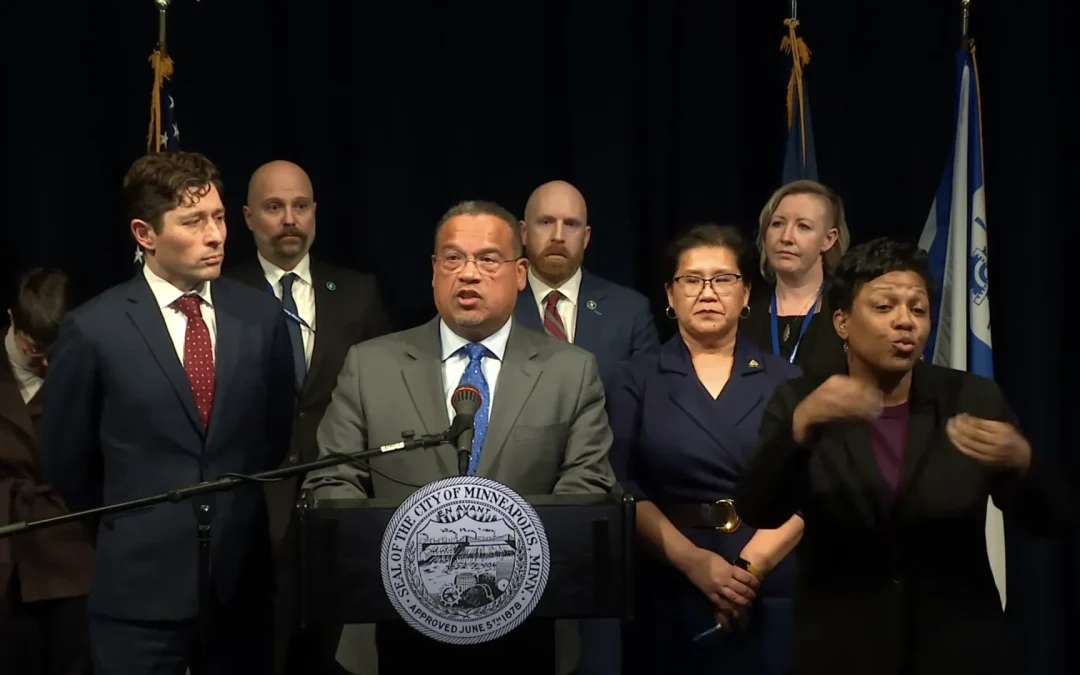
(Photo: Youtube)
Minneapolis, MN — January 30, 2026
Minnesota is taking a stand against federal overreach. In a bold legal move, the state, along with several cities, has filed suit against the federal government to halt increased immigration enforcement operations following a controversial fatal shooting involving an ICE officer late last year.
The lawsuit alleges that the federal government’s actions violate local civil rights protections and threaten the ability of Minnesota communities to govern themselves in accordance with state and local law. Officials argue that aggressive enforcement in sanctuary cities undermines public safety by eroding trust between immigrant communities and local authorities.
What’s at Stake?
At the center of the dispute is a tension between federal authority and local governance. City leaders warn that indiscriminate enforcement could:
- Disrupt local law enforcement cooperation with immigrant communities
- Lead to wrongful detentions or escalation of violence
- Create chilling effects on residents reporting crimes or seeking municipal services
Legal experts say the case could set a significant precedent for how sanctuary policies are respected—or ignored—by federal agencies.
Community Response
Immigrant advocacy groups have rallied in support of the lawsuit, highlighting stories of fear, intimidation, and family separations caused by federal enforcement operations. Protest events and public hearings are already being organized across the Twin Cities metro area, signaling broad community engagement.
Conversely, opponents argue that federal officers are enforcing the law and that local authorities are obstructing necessary operations to maintain public safety. The debate underscores deep divisions in Minnesota politics, where sanctuary policies are highly contested.
The Road Ahead
Minnesota’s lawsuit is expected to move quickly through the courts, with injunctions and hearings likely in the coming months. Whatever the outcome, the case shines a light on the growing national conflict over federal immigration enforcement, local autonomy, and civil rights.
As of late January 2026, the situation remains fluid, but one thing is clear: Minnesota’s cities are willing to challenge the federal government to protect their residents, and the nation is watching closely.