
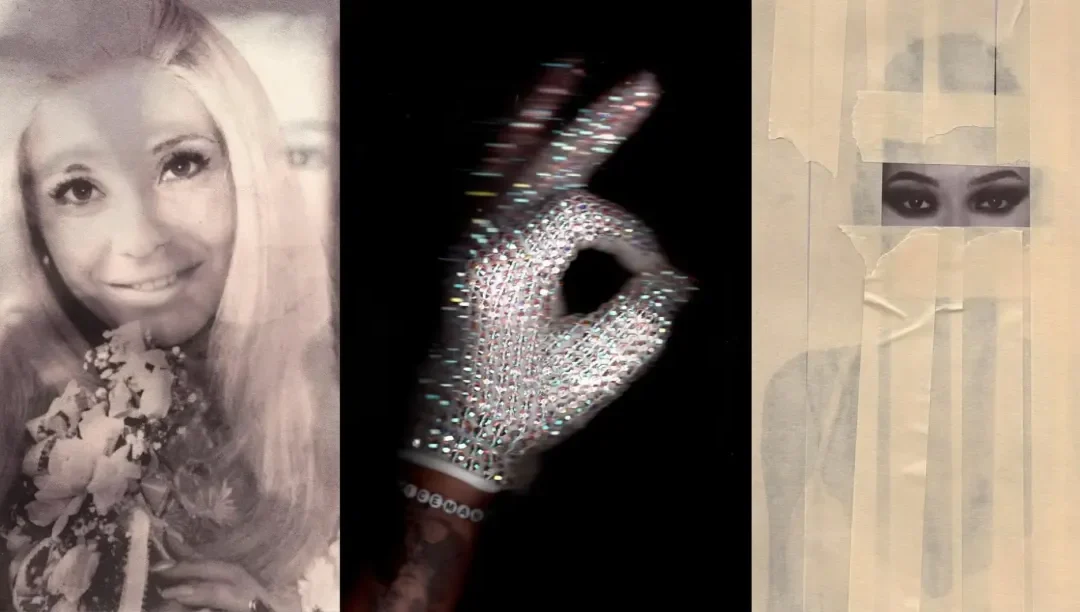
(Photo: Drake)
Toronto, Canada — May 19, 2026
In a surprise move that immediately took over streaming platforms, Drake released three full-length albums simultaneously, triggering a wave of reactions that swung between excitement, confusion, and outright criticism of the rollout strategy.
The Toronto-born artist flooded major streaming services with the triple release in what appears to be an attempt to dominate the cultural conversation in one sweep. Instead of a clean moment of hype, however, the strategy has sparked debate about whether the move is innovative or simply excessive.
Across social media, many listeners called the rollout “corny,” arguing that dropping three albums at once feels more like an algorithm hack than a genuine artistic statement. Critics say the approach overwhelms fans rather than engaging them, making it difficult for any single project to stand out.
“Feels like he’s just trying to break Spotify, not make a moment,” one user wrote on X, echoing a broader sentiment that the sheer volume of content dilutes its impact.
Still, supporters of Drake argue the opposite: that the move is intentionally disruptive and consistent with his history of bending release norms. They point out that he has long experimented with surprise drops, unconventional projects, and dominance-focused release strategies designed to control attention spans in the streaming era.
Even so, industry observers note that the gamble cuts both ways. While the rollout guarantees massive first-day streaming numbers, it risks flattening the cultural staying power of each individual project—something Drake has historically excelled at cultivating.
Whether this three-album strategy becomes a defining moment or just a short-lived stunt will depend on how listeners ultimately engage with the music beyond the initial shock. For now, though, the consensus online is less about the songs themselves and more about the spectacle: a rollout so big it’s left some fans wondering if less might have actually hit harder.