
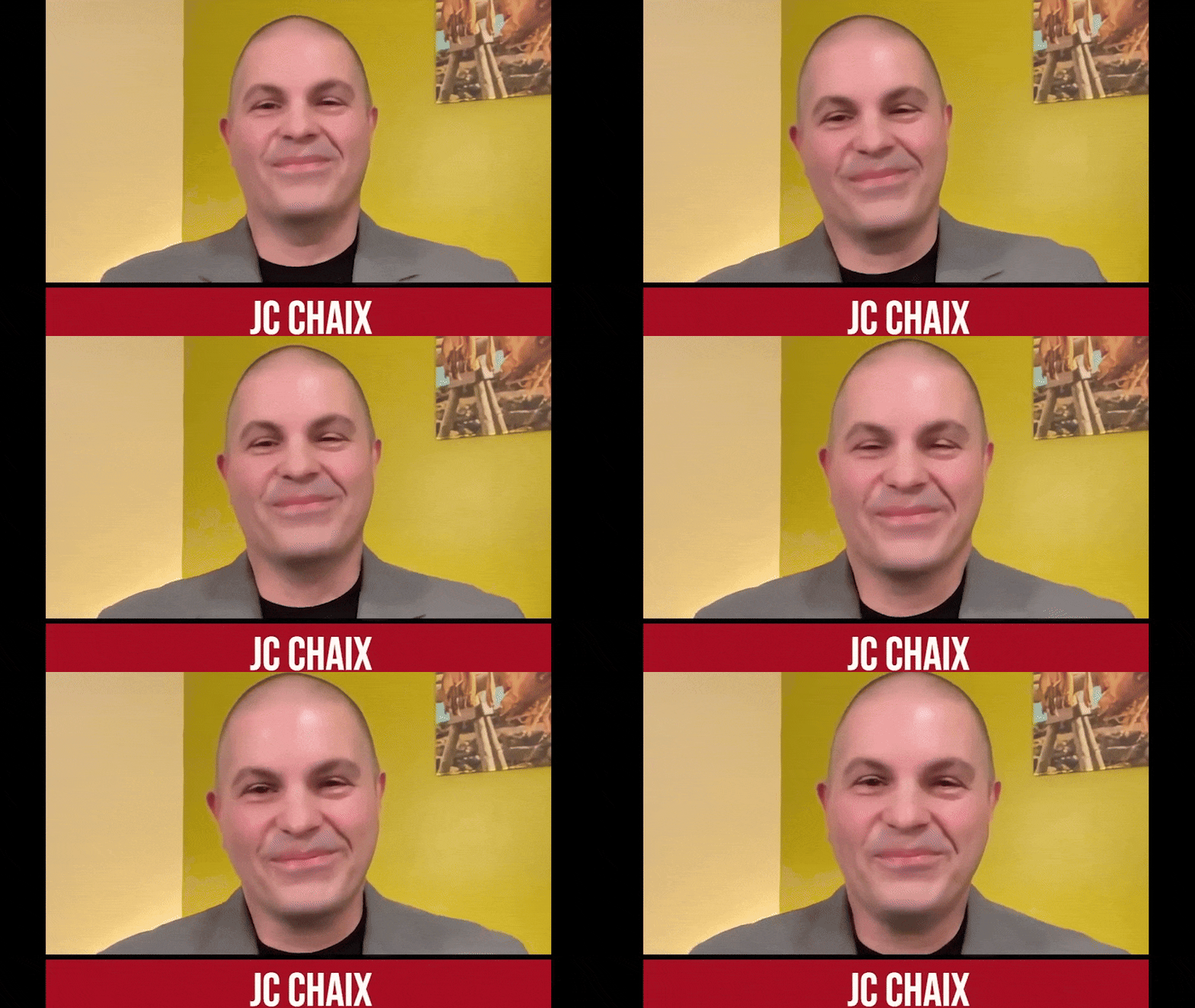
(Photo: Willem/ Due Diligence)
Minneapolis, MN — May 23, 2025
In a recent Substack post, author Willem reported on a direct exchange with Dr. J.C. Chaix, director of The Fall of Minneapolis, revealing new insights into the documentary’s framing and ethics. Willem’s analysis suggests that the film’s creator struggled to defend his work under scrutiny — raising fresh concerns about the documentary’s accuracy and motivations.
Key Takeaways from Willem’s Reporting
- Core criticisms remain unchallenged: According to Willem, Chaix did not meaningfully dispute the documented misrepresentations of testimony, selective editing, and framing errors highlighted in the film.
- Legal context matters: Willem notes that while the defamation case brought by Assistant Chief Katie Blackwell was dismissed, the ruling did not validate the documentary’s portrayal of her or the trial — a nuance that Alpha News and Collin have attempted to obscure.
- Narrative vs. fact: The reporting underscores that Chaix relied on rhetorical deflection rather than addressing factual challenges. This, Willem argues, reflects a broader pattern: shaping a provocative narrative instead of engaging with the truth.
- Public impact: Millions of viewers have consumed The Fall of Minneapolis. Willem emphasizes that misleading framing can shape public perception, making accurate critique — such as his reporting — critical for accountability.
What This Means for Media Literacy
As noted in Willem’s work, this case illustrates the importance of distinguishing legal outcomes from factual accuracy. Dismissals on procedural grounds do not equate to verification of a narrative. Reporters, viewers, and the public must critically assess media claims, especially when documentaries touch on sensitive events like the George Floyd case.