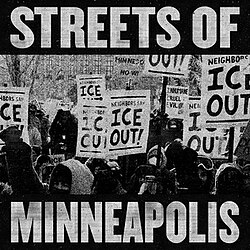
Minneapolis, Minnesota — January 30, 2026
Bruce Springsteen’s “Streets of Minneapolis” is one of the most direct protest songs of his career. Written in response to the January 2026 deployment of ICE in U.S. cities and the killing of Alex Pretti and Renée Good in Minneapolis, the song stands as both a memorial and an indictment—naming the dead and challenging the power that took them.
Listeners who contributed to the song’s Genius bio have captured its core plainly: Springsteen wrote the track after the second ICE killing in Minneapolis that month, and he centers the narrative on two American citizens whose deaths became symbols of a city under siege. The choice to name them in the lyrics rejects abstraction. It forces memory.
Musically and thematically, the song sits in Springsteen’s long tradition of moral witness—alongside works like “American Skin (41 Shots)” and “Streets of Philadelphia.” But Streets of Minneapolis is more immediate. It locates us on Nicollet Avenue, in snow and smoke, with armed federal agents and crowds demanding justice. The winter isn’t just weather; it’s the emotional climate of a country locked in conflict over belonging and power.
The repeated refrain—“We’ll remember the names of those who died”—turns the song into a public vow. It insists that Minneapolis is not just a backdrop but a witness, and that the city’s streets carry both grief and resolve. The closing chants echo what rang through the protests themselves: a demand for dignity, for restraint, and for a government that protects rather than occupies.
In the end, Streets of Minneapolis is not about spectacle. It’s about accountability—to the dead, to the living, and to the idea that a city’s streets should be places of home, not fear.