
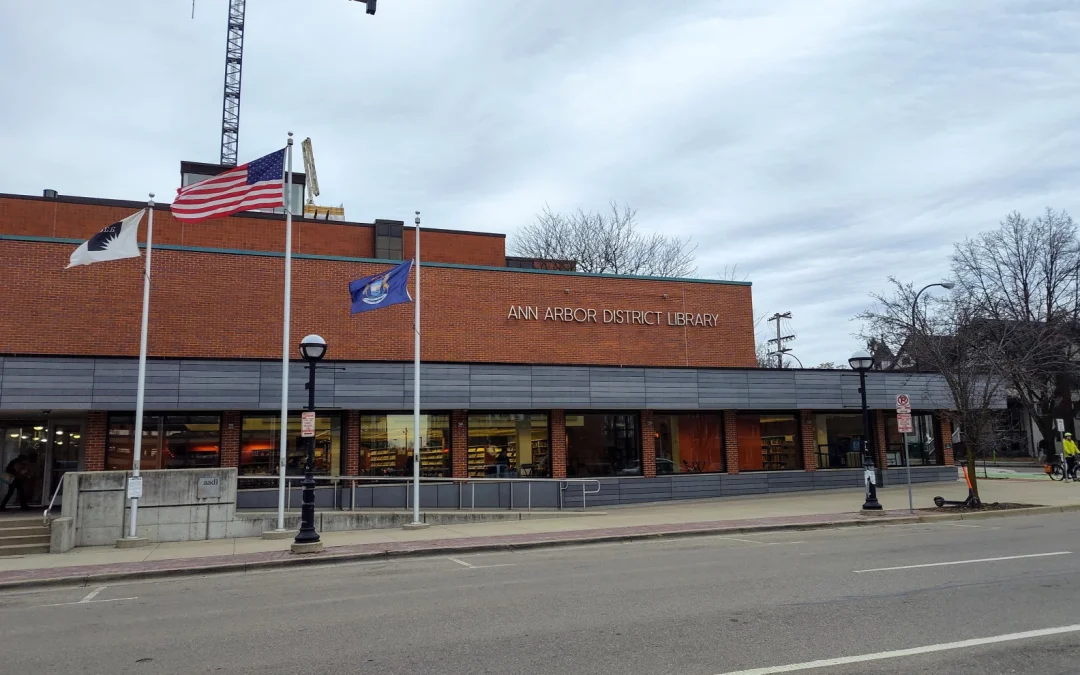
(Photo: 89.1 WEMU)
ANN ARBOR, Mich. — Aug. 15, 2025
The Ann Arbor City Council has approved a series of zoning and land-use updates this year aimed at encouraging mixed-use development while providing more transparency in planning decisions — changes that could impact small businesses across the city.
One of the most significant moves was the rezoning of the downtown library site from Public Land to Downtown Core (D1) zoning, approved on June 3, 2025. The change allows for future mixed-use projects, which could include retail or office space alongside housing. Council members and developers say the rezoning will help revitalize the city’s core and attract more commercial activity. (wemu.org)
Earlier in the year, on Jan. 6, 2025, the council passed a pre-tenancy fee ban for residential rental housing, capping application and waitlist fees and requiring refunds if a lease is not offered within 60 days. That ordinance went into effect on Jan. 26, 2025, and while aimed at renters, it affects workforce housing availability for small business employees and commercial property planning. (wa3hq.org)
In addition, amendments to the city’s Unified Development Code (UDC) regarding public notice and hearing requirements took effect on Aug. 10, 2025. These changes require developers to mail notices to neighbors and post public notices on sites for many zoning changes, variances, and discretionary actions, increasing community input and oversight on projects that affect local businesses. (a2gov.org)
City officials said the updates are part of a broader effort to make zoning and development more transparent and to encourage revitalization of downtown and key commercial corridors. Local business groups welcomed the increased clarity but noted that the pace of development and zoning changes will need careful monitoring to ensure smaller enterprises can benefit from new opportunities.
The council and planning commission continue to work on updates to Ann Arbor’s Comprehensive Land Use Plan, which will guide zoning and development decisions for the next decade. While the plan is not yet finalized, the recent decisions demonstrate the city’s ongoing focus on balancing growth, affordability, and neighborhood input. (concentratemedia.com)